


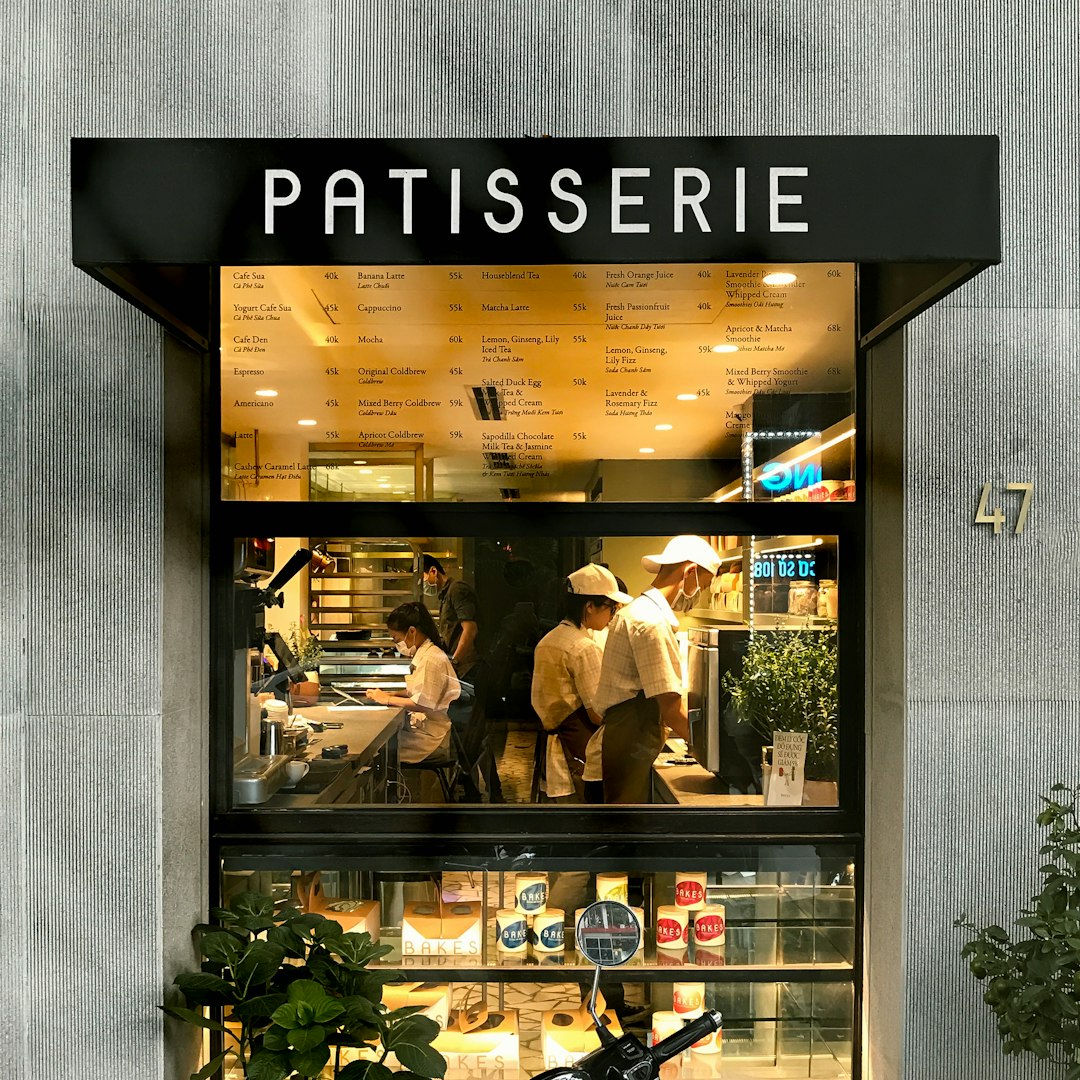
Our Baking and Pastry Shops Sales Forecast Structure covers all the essential aspects you need to consider when starting or scaling a Baking and Pastry Shops business. By following this structure, you can better understand your revenue streams and align your vision with realistic expectations while ensuring operational readiness and securing investor confidence.
Sales forecasting is crucial for any baking and pastry shop business, whether you’re a startup or an established operation aiming for growth. Understanding your potential sales enables you to manage inventory efficiently, make strategic staffing decisions, invest in marketing wisely, and set clear financial goals. Without a well-prepared sales forecast, you may overcommit resources or miss growth opportunities. Having a reliable projection also ensures that you can attract investors or financing by demonstrating a strong grasp of your business model’s financial viability. Accurately preparing a Baking and Pastry Shops Sales Forecast is essential to remain competitive and scale effectively.
How to Forecast Sales for Baking and Pastry Shops Business
To create an effective Baking and Pastry Shops Sales Forecast , you need to identify and break down the key revenue streams your business will generate. Here are the typical revenue streams to consider:
- Retail Sales (In-store Purchases): Primary income from selling pastries, cakes, bread, and other baked goods directly to walk-in customers. This is often the core revenue channel for most shops.
- Online Sales: With the rise in eCommerce, many shops now offer online ordering through their own website or third-party delivery apps. This can significantly increase reach and convenience.
- Custom Orders and Event Catering: Includes specially made cakes for weddings, birthdays, or corporate events. These usually have a higher profit margin and require advance booking.
- Wholesale Accounts: Sales to cafes, restaurants, and grocery stores that stock your baked goods. These volumes are usually larger but come at a lower unit price.
- Workshops and Baking Classes: Offering training sessions or hobby classes in baking can provide a steady revenue stream and increase brand engagement.
- Subscription Boxes: Monthly subscription for curated baked goods sent to customers. This provides recurring revenue and helps with demand planning.
- Seasonal and Holiday Promotions: Special product launches around holidays like Christmas or Valentine’s Day can provide spike revenues when marketed well.
Define the Calculation Logic & Drivers (Assumptions) for Baking and Pastry Shops
Driver-based financial planning involves forecasting revenue and expenses using key operational metrics or “drivers” that directly impact financial performance. Baking and Pastry Shops Sales Forecast methodologies lean heavily on these drivers to ensure consistent planning. The drivers represent activities such as footfall, conversion rates, and average transaction values that ultimately drive revenue. Here’s how to define the assumptions and calculation logic for each revenue stream:
-
Retail Sales (In-store):
Drivers: Daily foot traffic, conversion rate, and average spend per transaction.
Formula: Foot traffic × Conversion Rate × Average Spend × Operating Days -
Online Sales:
Drivers: Website visitors, conversion rate, average online basket value.
Formula: Website Visitors × Conversion Rate × Average Basket Value -
Custom Orders & Event Catering:
Drivers: Number of events per month, average order value.
Formula: Events Per Month × Average Order Value -
Wholesale Accounts:
Drivers: Number of partner accounts, average order frequency, and average order size.
Formula: Number of Accounts × Orders per Month × Average Order Value -
Workshops and Baking Classes:
Drivers: Number of sessions, average attendees per session, ticket price.
Formula: Sessions Per Month × Attendees × Price Per Session -
Subscription Boxes:
Drivers: Number of subscribers, monthly subscription fee.
Formula: Subscribers × Subscription Price -
Seasonal and Holiday Promotions:
Drivers: Number of units expected to be sold, average price per unit.
Formula: Units Sold × Price Per Unit (calculated only in peak seasons)
Gather Data for Your Assumptions
To forecast accurately, each assumption or driver needs to be supported by data. There are typically two sources of data to consider:
- Historical Performance: If your baking and pastry shop has been operating for a while, your past sales, foot traffic, order quantities, and customer spend behavior can help refine your forecasts. Established businesses typically place more emphasis on historical data, as it provides a stable, proven reference point.
- Industry and Competitor Benchmarks: For new or fast-growing businesses, looking at industry data and competitors can help shape a realistic picture. Benchmarking your assumptions like average basket size or customer acquisition cost against peers can shed light on whether your expectations are feasible.
Ultimately, an ideal approach combines both methods to ensure accuracy. Startups might begin with benchmarks and gradually incorporate their own data as they grow. This ensures your Baking and Pastry Shops Sales Forecast is grounded in real-world data and relevant to your market context.
Sense Check Your Sales Forecast
Once you’ve built your initial forecast, it’s critical to validate the numbers through a series of sense checks to ensure the plan is robust and realistic. Here are four key sense-checking methods:
- Forecast Revenue Growth vs. Past Growth: Compare the year-over-year growth in your new forecast with your historical revenue growth. If your revenue forecast suddenly jumps from 10% growth to 60%, provide a clear rationale—such as launching a new product line or expanding to new locations.
- Competitor Benchmarks: Review your forecasts against competitor performance. For example, if your assumption is that each customer will spend $30 per visit, but most competitors report customer spend of $18–$22, you may need to revisit your pricing assumptions or justify the differential with added value.
- Market Share Sense Check: Estimate your projected market share in 5 years. If your market is worth $10 million and your forecast suggests you’ll do $4 million, you’re aiming for 40% market share. Is that realistic compared to your current 5% share or the market leader’s 25% share?
- Capacity Constraints: Check if you have the operational capacity to achieve your forecast. For instance, if your kitchen can only produce 500 items per day but your forecast assumes selling 700, you’ll need to expand capacity or adjust your forecast down.
Baking and Pastry Shops Sales Forecast Summary
In summary, constructing a sales forecast for a baking and pastry shop involves identifying all the relevant revenue streams and modeling each using a driver-based approach. This ensures that your forecast is built from the ground up and reflects the specific operations of your business. Gathering reliable data—both historical and industry benchmarks—is crucial in shaping realistic assumptions. Finally, conducting thorough sense checks will help validate the soundness of your forecast.
The ultimate goal of the sales forecast is to allow founders, management, board members, or investors to:
- Quickly understand how your Baking and Pastry Shops business will perform in future sales.
- Gain confidence that the plan is based on realistic and achievable assumptions.
If you want to know more about driver-based financial planning and why it is the right way to plan, see the founder of Modeliks explaining it in the video below.
If you need help with your sales forecast, try Modeliks , a financial planning solution for SMEs and startups or contact us at contact@modeliks.com and we can help.
Author:
Blagoja Hamamdjiev
, Founder and CEO of
Modeliks
, Entrepreneur, and business planning expert.
In the last 20 years, he helped everything from startups to multi-billion-dollar conglomerates plan, manage, fundraise, and grow.